Step 1: Start with the floor area
Cooling capacity is measured in BTU per hour. As a rule of thumb for a normal room with a standard ceiling, 9,000 BTU suits roughly 15 to 20 square metres, 12,000 BTU roughly 20 to 30 square metres, 18,000 BTU roughly 30 to 45 square metres and 24,000 BTU roughly 45 to 60 square metres.
Example: a 4 m by 5 m lounge is 20 square metres, so 12,000 BTU is the usual starting point, and 9,000 BTU would be at the limit.
Step 2: Adjust for the room, not just the floor area
Move up a size if the room has large west or north-facing windows that take afternoon sun, a high ceiling, a roof with little insulation above it, or a kitchen opening into it. Move up a size too if the room is used by many people or has a lot of electronics.
A shaded bedroom with a ceiling and good insulation can sometimes drop down a size. This is why the same floor area can need different units in different houses, and why we look at the room before we quote.
Step 3: Decide inverter or standard
An inverter unit adjusts its compressor speed to hold the room temperature, instead of switching fully on and off. It is quieter, steadier and uses less electricity, which adds up in a room you cool for several hours a day. A standard unit costs less to buy and suits a room you use occasionally.
Step 4: Think about open-plan spaces and multiple rooms
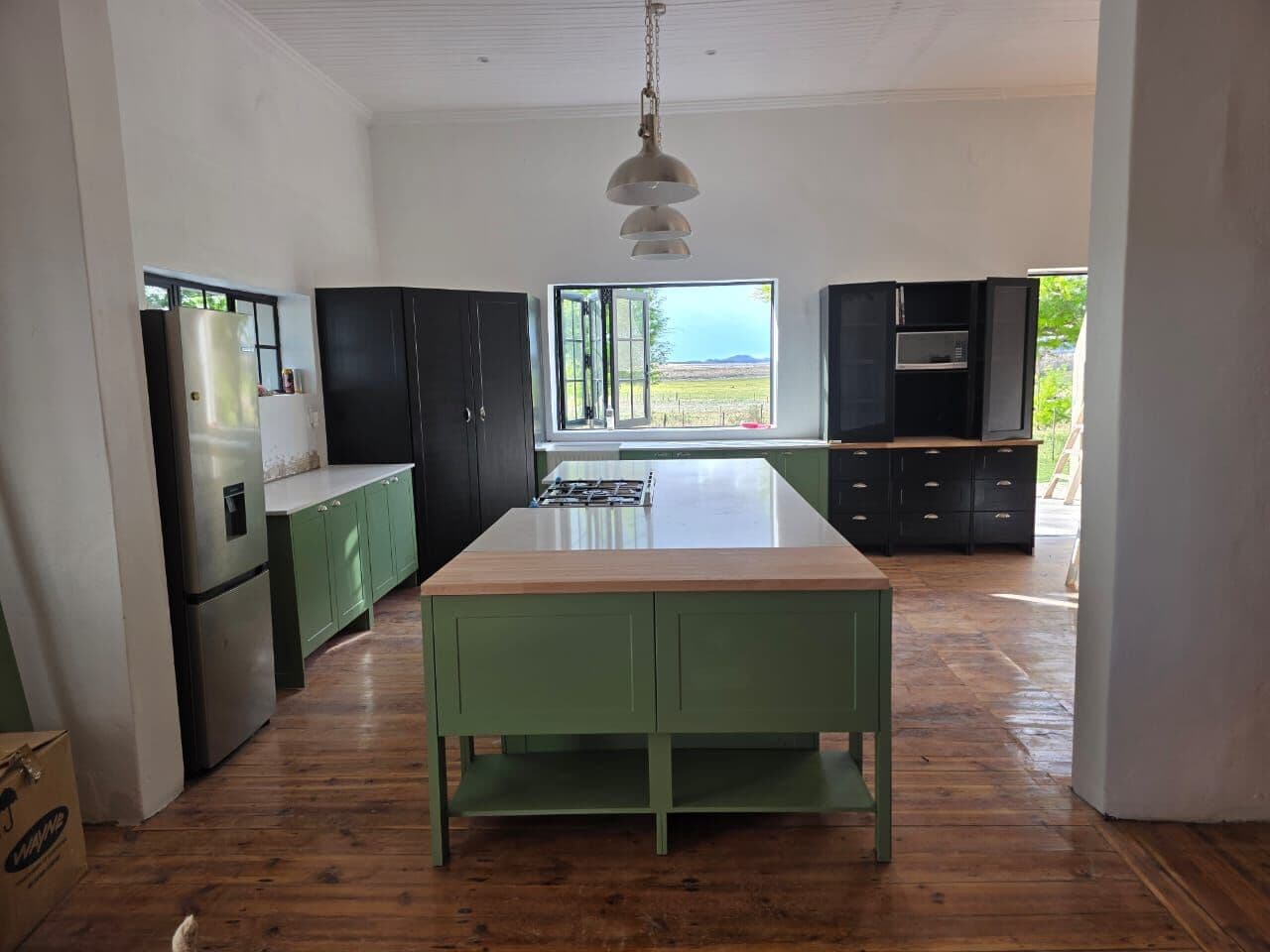
An open-plan lounge, dining room and kitchen is usually better served by one larger unit placed to blow across the space, or two units, than by a unit that is a size too small. Bedrooms are normally cooled separately with their own smaller units, so each room can be set to its own temperature.
East London notes
Coastal air is humid, so an aircon that is too big will cool the room quickly and switch off before it has removed the damp, leaving the room cold and clammy. Salt air also corrodes outdoor units, so where the outdoor unit goes matters as much as its size.