Elite Home Finishes
CallWhatsApp

Building Guide

Melamine vs Wrap vs Duco Cupboard Doors

The door finish is one of the biggest cost and look decisions on any kitchen or built-in cupboard project. Here's how melamine, wrap and duco actually compare.

  • Free site visit
  • Fixed, itemised price
  • 7+ years on the tools
  • Warranty-backed work

Melamine doors

Melamine doors are board — chipboard or MDF — with a decorative melamine surface fused on under heat and pressure. They come in a wide range of solid colours and woodgrain looks, the surface is hard-wearing and easy to wipe clean, and they are the most cost-effective finish.

Melamine doors are flat, so they suit modern, handleless and slab-door kitchens rather than shaker profiles. The edges are covered with edging tape, and the edges are the weak point: if water gets in behind an edge it can swell the board, which is why we use moisture-resistant board and properly sealed edges near sinks and dishwashers.

Wrap (foil) doors

Wrapped doors — also called foil or vinyl-wrapped — are shaped MDF doors with a thin PVC skin vacuum-pressed over the face and edges. Because the board is routed first, wrap is the usual way to get shaker and other profiled designs at a mid-range price, in one seamless skin with no edging tape.

The weak point of wrap is heat. Steam from kettles and heat from ovens, toasters and air fryers can soften the glue over time and lift or peel the foil, and a lifted foil can't simply be repainted. Next to ovens we fit heat deflectors or use a different finish on the doors that take the heat.

Duco (sprayed) doors

Duco doors are MDF doors sprayed with paint or lacquer, in any colour you choose, from matte to high gloss, and they can be profiled like wrap. The finish is seamless and looks the most premium of the three.

Duco costs the most and takes longest to make. A hard knock can chip it, but unlike wrap a damaged duco door can be touched up or resprayed rather than replaced.

Wrap vs melamine: the short answer

Choose melamine for durability and value, especially in a busy family kitchen or for built-in wardrobes. Choose wrap when you want a shaker or profiled look without the cost of duco — and keep it away from direct heat. Many kitchens mix them: melamine carcasses and wardrobe doors, wrap or duco on the doors people see first.
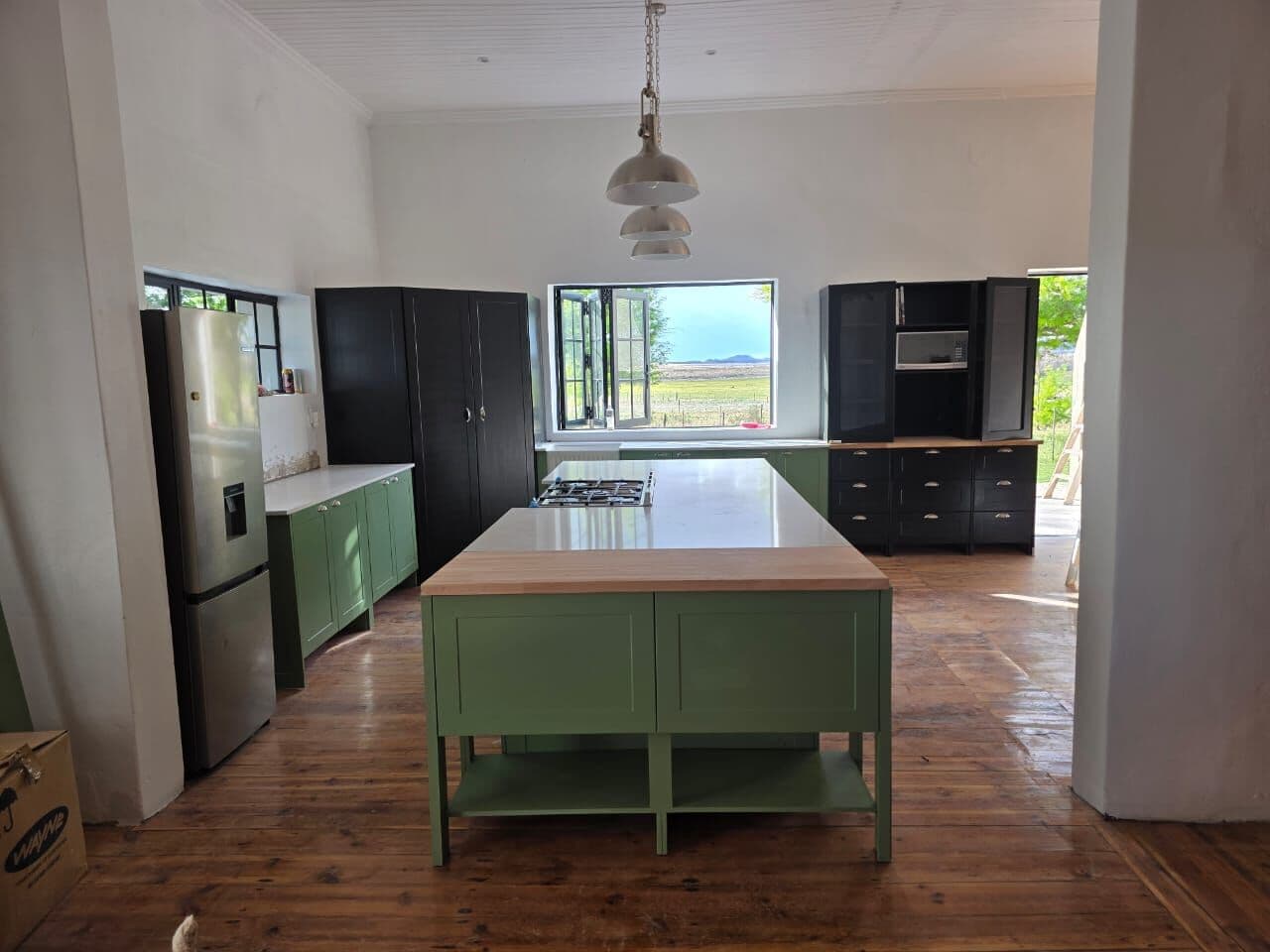
Your Options

At a glance

01Melamine doors
The most cost-effective finish, available in a wide range of solid colours and wood-grain foils. Durable for everyday use, though less resistant to chipping at exposed edges than duco.
02Wrap (foil-wrapped) doors
A seamless, moisture-sealed wrap over MDF, giving a smoother, more matte look than melamine at a moderate step up in cost.
03Duco (sprayed) doors
A painted, seamless finish in any colour, giving the smoothest, most premium look of the standard options — at the highest cost and with more care needed to avoid chips.
04Mirror-fronted doors
Adds a full-length mirror to the cupboard face and visually opens up a smaller bedroom, at a moderate step up in cost over plain melamine.

The honest takeaway

Melamine covers most budgets well; wrap and duco earn their higher cost through a smoother, more premium look. We'll talk through the trade-off honestly on the first site visit rather than defaulting to whichever finish is easiest to sell.

Questions

Frequently asked questions

  • They can, mainly from heat and steam. Doors right next to an oven, kettle or toaster are the ones that lift. Heat deflectors and keeping appliances away from the door faces prevent most of it.

This guide relates to our Kitchens service — see full scope, process and FAQs there. View all guides →

Free site visit · No obligation

Get a free quote in East London

We visit East London suburbs at no charge — for outlying areas travel is factored into your quote, not added as a call-out fee. No obligation.

Get your free quote

Takes 30 seconds. We call you back to book a free site visit.

  • ✓ Free site visit
  • ✓ No obligation
  • ✓ Fixed, itemised price
  • ✓ Warranty-backed work